

Choosing the right Pferdefutter Ergänzungsmittel supports equine health. Learn practical selection methods based on real horse needs.
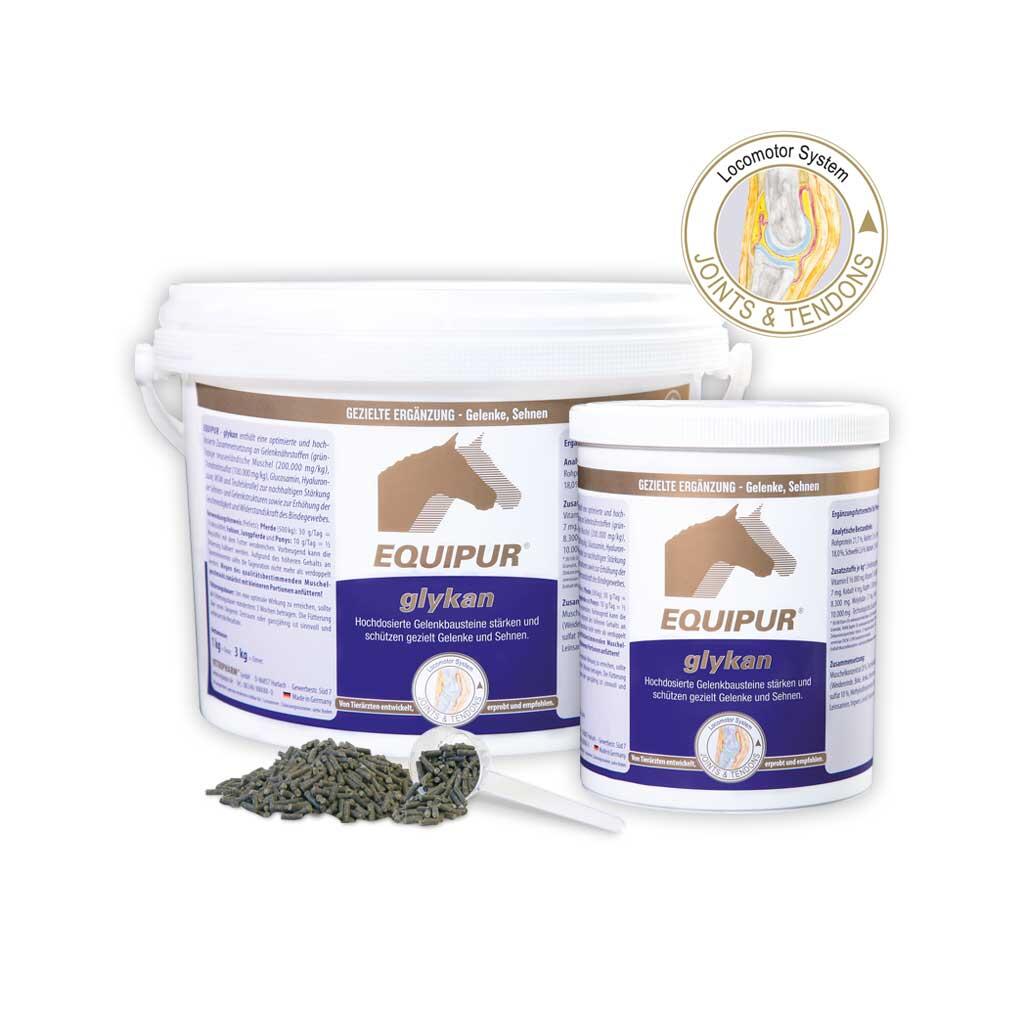
As a long-time horse owner and barn manager, I’ve seen countless trends in equine nutrition. The world of Pferdefutter Ergänzungsmittel can feel overwhelming. My approach has always been grounded in observation, science, and a deep understanding of each horse’s individual requirements. Supplementation is not a blanket solution; it’s a precise tool to address specific needs, whether for performance, recovery, age-related issues, or particular health challenges. This often involves careful evaluation of their baseline diet and lifestyle.
Key Takeaways
- Always start with a balanced base diet of good quality forage and feed.
- Identify specific health or performance goals before choosing any supplement.
- Consult with your veterinarian and an equine nutritionist for personalized advice.
- Understand ingredient lists and active dosages; not all products are equal.
- Be wary of vague claims and products lacking scientific backing.
- Introduce new supplements slowly and monitor your horse for any changes.
- Regularly reassess the need for continued supplementation.
- Consider regional factors, like soil deficiencies in the US, affecting nutrient levels.
- Document your horse’s response to any Pferdefutter Ergänzungsmittel.
- Prioritize quality and reputable brands over low-cost alternatives.
Assessing Your Horse’s Specific Needs Before Selecting Pferdefutter Ergänzungsmittel
Before reaching for any Pferdefutter Ergänzungsmittel, a thorough assessment of your horse’s current situation is crucial. This involves evaluating their age, breed, workload, environment, and existing health conditions. A young growing horse needs different support than an older mare or a high-performance athlete. Consider their turnout time, stress levels, and even the local climate. For instance, horses in dusty environments might benefit from respiratory support, while those with joint stiffness from training could require specific joint formulas.
The foundation of any healthy equine diet is quality forage, like hay or pasture, along with a suitable concentrate feed. Many issues can be resolved by improving the base diet. A hay analysis can reveal nutrient deficiencies, providing data to inform your choices. Your veterinarian can also perform blood tests to check for specific mineral or vitamin imbalances. This diagnostic approach helps you avoid unnecessary supplementation, saving both money and potential health complications. Without a clear need, adding random supplements can do more harm than good, creating imbalances or interacting negatively with existing medications.
Understanding Labels and Ingredients in Pferdefutter Ergänzungsmittel
Reading supplement labels goes beyond just checking the brand name. It’s about understanding the active ingredients, their concentrations, and the recommended dosage. Look for transparent labeling that clearly lists all components. Proprietary blends, where exact ingredient amounts are hidden, make it difficult to determine if your horse is receiving an effective dose. For example, a joint supplement should list specific amounts of glucosamine, chondroitin, and MSM, not just “joint support blend.”
Certifications from independent testing organizations, especially prevalent in the US, provide an extra layer of confidence regarding product purity and potency. These ensure the product contains what it claims and is free from prohibited substances, which is vital for competitive horses. Research the company’s reputation, their manufacturing processes, and any scientific studies backing their product claims. Be cautious of products promising immediate, miraculous results. Nutritional support works gradually, building over time.
Practical Considerations for Integrating Supplements into the Diet
Introducing any new dietary component requires patience and observation. Start with a small amount of the Pferdefutter Ergänzungsmittel and gradually increase to the recommended dose over several days. This allows your horse’s digestive system to adapt and helps you identify any adverse reactions early. Some horses are notoriously picky eaters, so palatability is an important factor. Many supplements come in various forms, such as powders, pellets, or liquids, giving you options. Mixing a powder with a small amount of apple sauce or molasses can often make it more appealing.
Storage instructions are also important; some supplements require refrigeration or need to be kept in airtight containers away from direct sunlight to maintain their efficacy. Consistency is key for supplements to work effectively. Administer them at the same time each day, as part of your regular feeding routine. Keep a journal to track the introduction date, dosage, and any changes you observe in your horse’s health, coat condition, energy levels, or performance. This documented evidence is invaluable when assessing effectiveness or discussing with your vet.
Observing Results and Adjusting Pferdefutter Ergänzungsmittel Use
The true test of any Pferdefutter Ergänzungsmittel lies in its observable effects. This isn’t always immediate; some supplements, especially those targeting joint health or hoof growth, require weeks or even months to show noticeable benefits. Be objective in your observations. Is the horse moving more freely? Is the coat shinier? Are their energy levels more consistent? It’s easy to fall prey to wishful thinking, so rely on tangible improvements. If no positive change is seen after a reasonable trial period, the supplement may not be effective for your horse, or the initial diagnosis of need might have been incomplete.
Regularly reassess your horse’s needs. A horse’s requirements change with age, season, and workload. A supplement that was vital during intense competition season might be unnecessary during a winter break. Over-supplementation can lead to nutrient imbalances and is a waste of resources. Work closely with your veterinarian and nutritionist to review the horse’s overall diet and adjust supplementation as required. Sometimes, reducing or discontinuing a supplement is the best course of action. This ongoing evaluation ensures your horse receives precisely what they need, no more, no less.