

A safe, energy-dense power source is crucial for electric vehicles. quantumscape solid-state battery technology offers a compelling vision for automotive electrification. This innovative approach promises to redefine battery performance metrics, addressing key limitations of current lithium-ion designs. My extensive background in battery research and industry observation provides context for this analysis.
Key Takeaways
- QuantumScape aims to replace traditional liquid electrolytes with a solid ceramic separator.
- This approach eliminates the graphite anode, allowing for a pure lithium-metal anode to form during charging.
- Solid-state batteries offer potential benefits like higher energy density, faster charging, and improved safety.
- The primary challenge for QuantumScape involves scaling its manufacturing process from prototype cells to mass production.
- Partnerships, particularly with Volkswagen, are vital for bringing this technology to commercial viability.
- The US market stands to benefit significantly from advancements in domestic battery production.
- The technology could fundamentally alter the capabilities and appeal of electric vehicles.
- Despite promising lab results, widespread adoption requires overcoming significant engineering and cost hurdles.
For years, the industry has chased the elusive “holy grail” of battery performance: a cell that is energy-dense, charges rapidly, and poses minimal safety risks. Traditional lithium-ion batteries, while ubiquitous, have inherent limitations related to their liquid electrolyte and graphite anode. These components dictate maximum energy storage and can present thermal runaway challenges under extreme conditions. QuantumScape’s focus on solid-state technology directly targets these issues.
Challenges and Promise of quantumscape solid-state battery technology
My experience in the battery sector highlights the profound implications of transitioning from liquid to solid electrolytes. The core promise of quantumscape solid-state battery technology lies in its potential to achieve significantly higher energy density. By replacing the bulky, heavy liquid electrolyte with a thin, non-flammable ceramic separator, the battery can pack more active material into the same volume. This translates directly to longer driving ranges for electric vehicles (EVs). Furthermore, solid electrolytes are inherently more stable, greatly reducing the risk of fires, a critical safety concern for consumers and manufacturers alike.
However, moving from concept to reality involves formidable engineering hurdles. Manufacturing precise, thin ceramic separators that can withstand millions of charge cycles without fracturing or developing shorts is incredibly difficult. Historically, solid-state designs have struggled with interface resistance between the solid electrolyte and the electrodes, hindering performance. QuantumScape’s approach aims to mitigate this by allowing a pure lithium-metal anode to form in-situ during charging, essentially eliminating the traditional anode altogether, a bold move with significant benefits if successfully executed.
Engineering an Anode-Less Design
The unique selling proposition of QuantumScape’s cell design is its anode-less architecture. Unlike conventional lithium-ion batteries that require a graphite anode, QuantumScape’s cells utilize a proprietary ceramic separator. This separator is designed to prevent lithium dendrites – needle-like structures that can cause short circuits – from forming and penetrating the solid electrolyte. When the battery charges, lithium ions move from the cathode, pass through the ceramic separator, and deposit onto the current collector to form a metallic lithium layer. This layer then acts as the anode.
This design offers several advantages. A pure lithium-metal anode has the highest theoretical energy density of any anode material, drastically improving the potential energy stored per unit volume or weight. It also enables incredibly fast charging rates because lithium ions can quickly deposit onto the collector without needing to intercalate into a graphite structure. From an engineering perspective, developing a solid separator that is robust enough to prevent dendrite growth while maintaining high ionic conductivity at various temperatures is a monumental achievement, reflecting years of dedicated materials science research.
Manufacturing Scalability for quantumscape solid-state battery technology
The transition from lab prototypes to high-volume manufacturing represents the steepest climb for any novel battery technology. For quantumscape solid-state battery technology, this means producing thousands, then millions, of consistently high-quality ceramic separators and assembling them into functional cells. My observations suggest that this scaling process requires immense capital investment and meticulous process control. QuantumScape has made strides, moving from single-layer cells to multi-layer prototypes, demonstrating consistent performance. The company’s partnership with Volkswagen is especially telling here. VW’s significant investment and technical collaboration provide crucial validation and a clear path to automotive integration.
Establishing manufacturing facilities, particularly in the US, is a complex endeavor. It involves securing supply chains for specialized materials, developing new equipment, and training a skilled workforce. The ability to produce these sophisticated cells at a cost competitive with existing lithium-ion technologies will be the ultimate determinant of success. We are seeing continued improvements in cell formats, like the QSE-5, showcasing incremental progress towards manufacturability and commercial readiness. This iterative development is typical for disruptive technologies moving into mass production.
Future Implications of quantumscape solid-state battery technology for EVs
The successful commercialization of QuantumScape’s technology holds immense potential for the electric vehicle industry. Imagine EVs with significantly longer ranges, reducing “range anxiety” for many drivers. Fast charging could become routine, allowing an EV to gain hundreds of miles of range in minutes, rivaling gasoline refueling times. This would broaden the appeal of EVs to a much wider consumer base. Safety improvements from solid-state designs could also lead to more flexible vehicle designs and easier integration into various platforms.
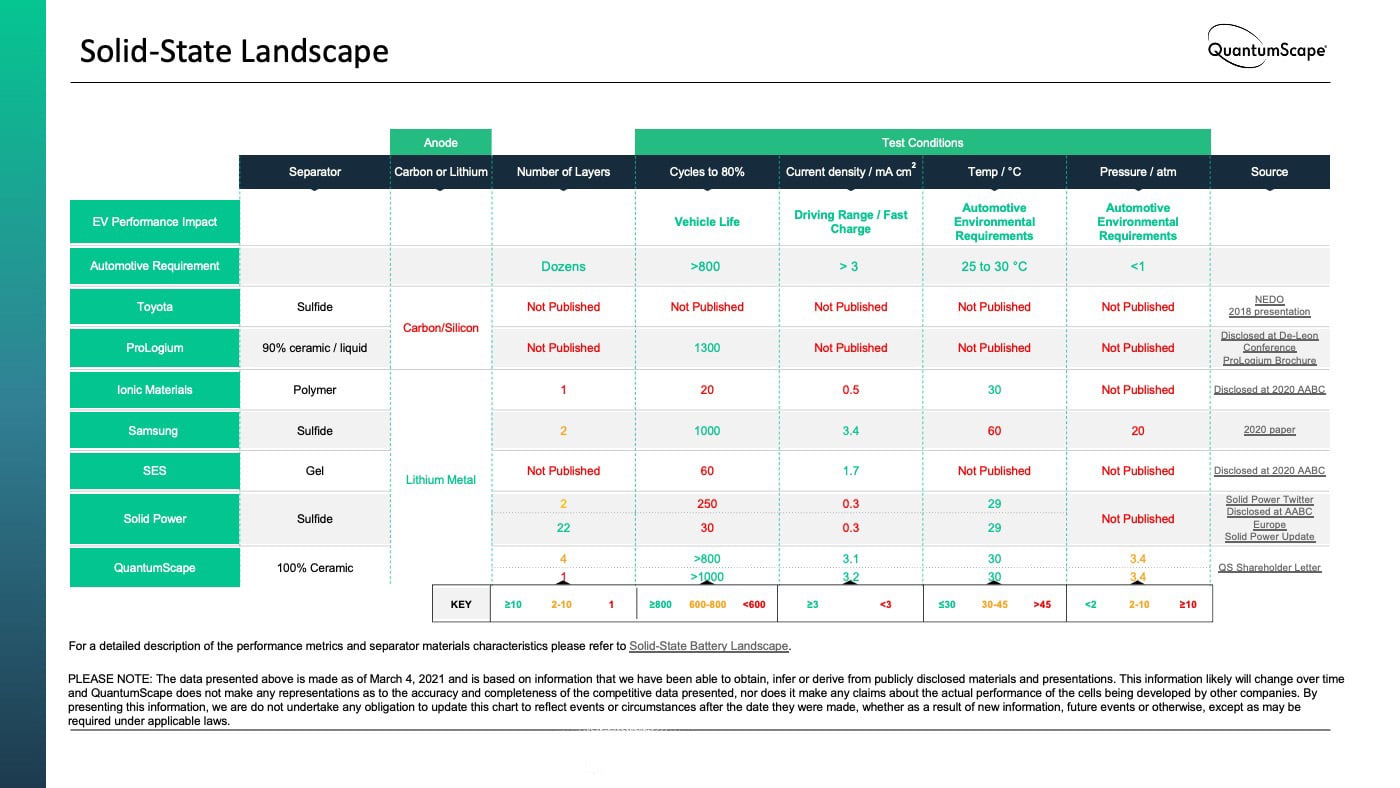
Beyond passenger cars, this advancement could impact other sectors, including commercial vehicles, aviation, and grid energy storage, where energy density and safety are equally paramount. While other solid-state battery developers are also making progress, QuantumScape has garnered significant attention due to its unique anode-less design and strong industry backing. The competitive landscape is vibrant, with continuous innovation pushing the boundaries of what batteries can do. The next few years will be critical in seeing how these lab-proven concepts translate into real-world production and widespread consumer adoption.
 Laura
Laura